Durable Flashlights: Your Guide to Reliable Lighting for Any Adventure
When it comes to flashlights, durability is a non-negotiable feature. Whether you're hiking through rugged terrain, working in harsh conditions, or preparing for emergencies, a durable flashlight ensures reliability when you need it most. This guide explores what makes a flashlight durable, the top models on the market, and how to maintain them for long-lasting performance.
What Makes a Flashlight Durable?
Durability in flashlights is defined by the quality of materials and design features that allow them to withstand tough conditions. Here’s what to look for:
1. High-Quality Materials
- Aluminum: Lightweight yet robust, aluminum is a popular choice for flashlight bodies. It’s resistant to corrosion and can handle drops and impacts.
- Polycarbonate: This virtually unbreakable plastic offers excellent impact resistance, making it ideal for rugged use.
- Reinforced Glass: Lenses made from tempered or reinforced glass are scratch-resistant and can endure harsh environments.
2. Weather Resistance
- IP Ratings: The Ingress Protection (IP) rating indicates how well a flashlight can resist water and dust. For outdoor use, look for a rating of at least IPX4 (splash-resistant) or higher, such as IPX8 (submersible).
- Temperature Tolerance: Durable flashlights are designed to function in extreme temperatures, from freezing cold to scorching heat.
3. Impact Resistance
- Durable flashlights are built to survive drops, shocks, and rough handling. Look for models that are tested to military standards (e.g., MIL-STD-810G) for added assurance.
Top Features of Durable Flashlights
When choosing a durable flashlight, consider these key features to ensure it meets your needs:
1. Brightness and Beam Distance
- Lumens: Brightness is measured in lumens. For general use, 500–1,000 lumens is sufficient, while outdoor enthusiasts may prefer 2,000+ lumens.
- Beam Distance: This indicates how far the light can reach. Look for a beam distance of at least 200 meters for outdoor activities.
2. Battery Life and Efficiency
- LED Technology: LED bulbs are energy-efficient and provide longer runtimes compared to traditional incandescent bulbs.
- Rechargeable Batteries: Many durable flashlights come with rechargeable batteries, saving you money and reducing waste.
3. Multiple Light Modes
- Durable flashlights often include modes like strobe, SOS, and low-power settings. These are especially useful for emergencies or conserving battery life.
4. Portability and Design
- A good flashlight should be lightweight and easy to carry. Look for compact designs with ergonomic grips for comfortable use.
Top 5 Durable Flashlights on the Market
Here’s a curated list of the most reliable flashlights available today:
| Model | Brightness | Beam Distance | Key Features | Price |
|---|---|---|---|---|
| Fenix PD36R | 1,600 lumens | 262 meters | IP68 waterproof, rechargeable battery, multiple modes | 90–90–100 |
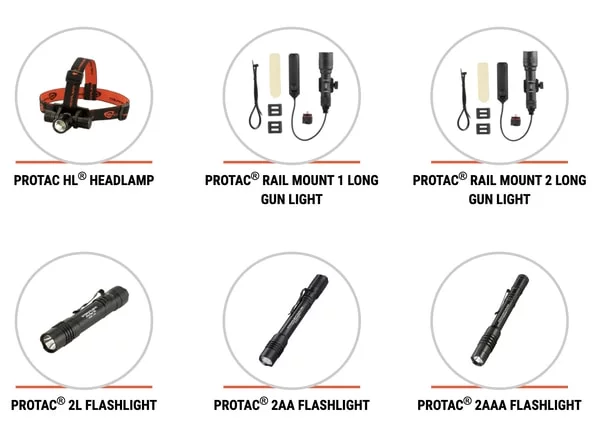
| Streamlight ProTac HL-X | 1,000 lumens | 330 meters | Durable aluminum body, USB rechargeable, multiple lighting modes | 100–100–120 |
| Olight Warrior X Pro | 2,100 lumens | 500 meters | Magnetic charging, rugged construction, long-range beam | 150–150–170 |
| SureFire G2X Pro | 600 lumens | 200 meters | Lightweight resin body, dual-output feature, simple design | 80–80–90 |
| Gerber Applegate-Fairbairn | 300 lumens | 100 meters | Compact and tactical, durable aluminum body, multiple light settings | 50–50–60 |
Maintenance Tips for Long-Lasting Flashlights
To keep your flashlight in top condition, follow these maintenance tips:
1. Cleaning
- Use a soft microfiber cloth to wipe the exterior and lens.
- For stubborn dirt, use a mild detergent diluted in water. Avoid abrasive materials that could scratch the surface.
2. Storage
- Store your flashlight in a cool, dry place, preferably in a protective case or pouch.
- Remove batteries during extended storage to prevent leakage and corrosion.
3. Battery Care
- Use recommended batteries and avoid mixing old and new ones.
- Regularly check battery terminals for corrosion and clean them with a cotton swab dipped in vinegar or isopropyl alcohol.
4. Seasonal Checks
- Test your flashlight before outdoor trips to ensure it’s functioning properly.
- Replace batteries or troubleshoot if you notice flickering or dim light.
How to Choose the Right Durable Flashlight
Use this checklist to find the perfect flashlight for your needs:
- Brightness: How many lumens do you need?
- Beam Distance: How far should the light reach?
- Battery Type: Rechargeable or disposable?
- Durability: What IP and impact resistance ratings are required?
- Portability: Is it lightweight and easy to carry?
- Budget: What’s your price range?
Conclusion
Investing in a durable flashlight is a smart choice for anyone who values reliability and performance. Whether you're an outdoor enthusiast, a professional, or simply preparing for emergencies, the right flashlight can make all the difference. Explore our top picks and maintenance tips to find the perfect flashlight for your needs.